
What Is a Strainer Post and When Do You Need One?
Strainer posts are what keep wire and rail fences tight and upright. Here's what they do and why they matter on rural blocks.
The job a strainer post does
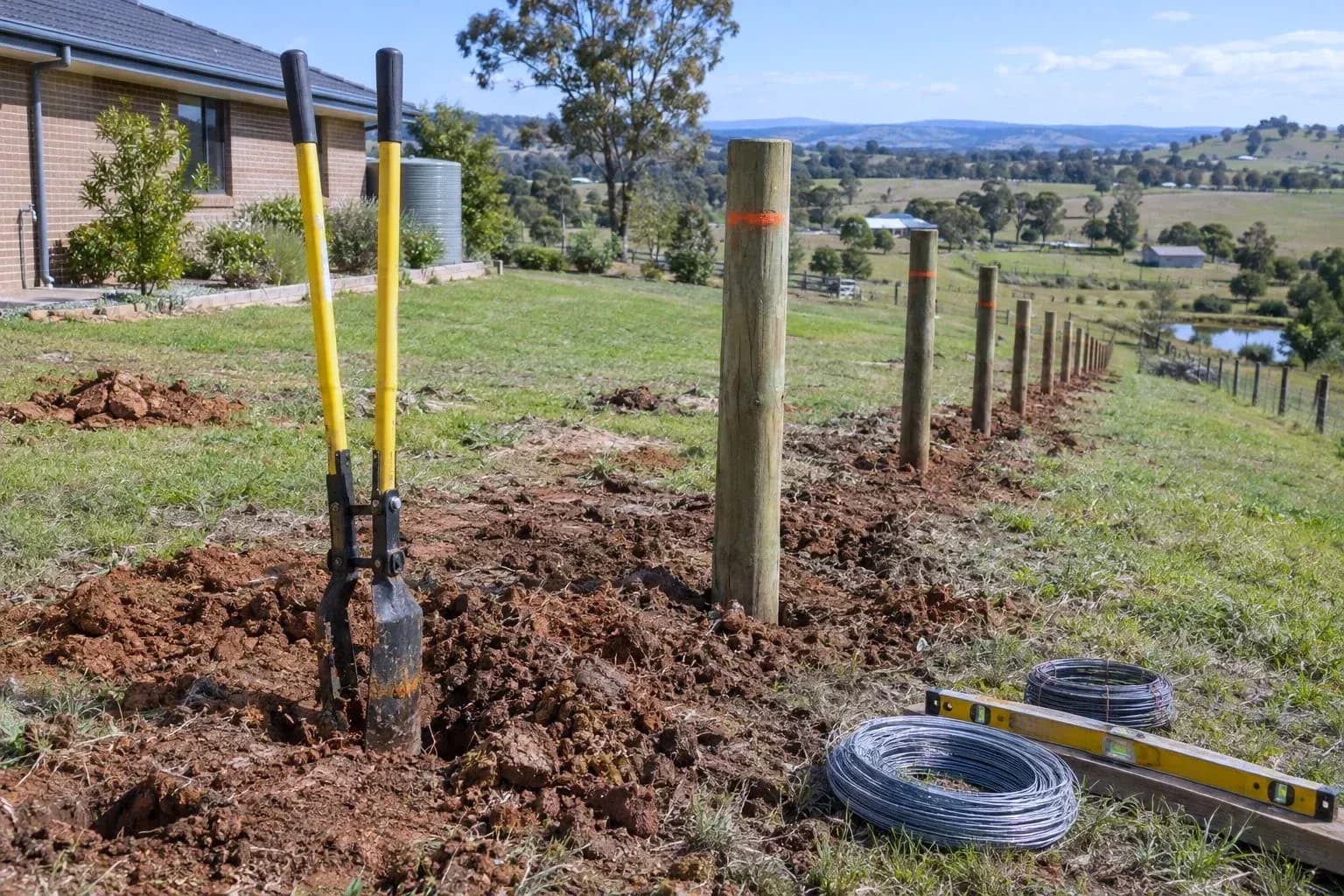
A strainer post is the heavy-duty post placed at the end of a fence run, at corners, and at regular intervals along longer stretches of wire or rail fencing. Unlike the lighter posts in between, a strainer post is set deeper and braced to take the full tension of the wire or rail pulling against it. Without a properly braced strainer, wire fencing sags over time and rail fencing can rack out of line.
Why bracing matters
A strainer post on its own, even set deep, can still lean under constant pull. That's why strainers are usually braced, either with a diagonal stay post or a horizontal strut back to another post. The bracing spreads the load so the strainer stays upright instead of slowly tipping toward the fence line over months or years.
Where you'll find them
Strainer posts show up wherever a fence changes direction or needs to hold tension over a distance:
Corners of a paddock or boundary
Gate openings, where the post has to take the weight and swing of a gate as well as fence tension
Long straight runs, spaced out every so often to stop the whole line from sagging
Start and end points of any wire or post and rail fence
Why ground conditions matter so much
On flat, easy-digging soil, a strainer post is reasonably straightforward to set. Around Mooroolbark, Lilydale and out toward Coldstream and Wandin North, though, a lot of ground is clay, rock, or a mix of both. A strainer post in that kind of ground needs to go in deep and be set properly, or the whole fence line it's supporting will eventually loosen and sag. This is a lot of what separates a fence that stays tight for years from one that needs re-tensioning every other season.
Do you need one for a suburban fence?
Standard Colorbond or paling fences in suburban yards don't typically need strainer-style bracing the way rural wire and post and rail fences do, since there's no long run of tensioned wire pulling on the posts. Where you will see similar principles applied is at gate openings, where the post needs to be solid enough to carry a swinging gate without dropping over time.
Getting it right on rural blocks
If you're fencing a paddock boundary or putting up plain wire, ringlock or hinge joint fencing, the strainer posts are the part worth getting right, since everything else depends on them. Brendan and Tama brace strainer assemblies properly before stringing any wire, and will tell you upfront if a corner or gate post needs extra depth because of rock or tree roots. Call 0491 571 266 to talk through a rural fence line.
Found this useful?
Let's help with your next project.
Get in touch and tell us about your project.
Get in touchKeep reading
All posts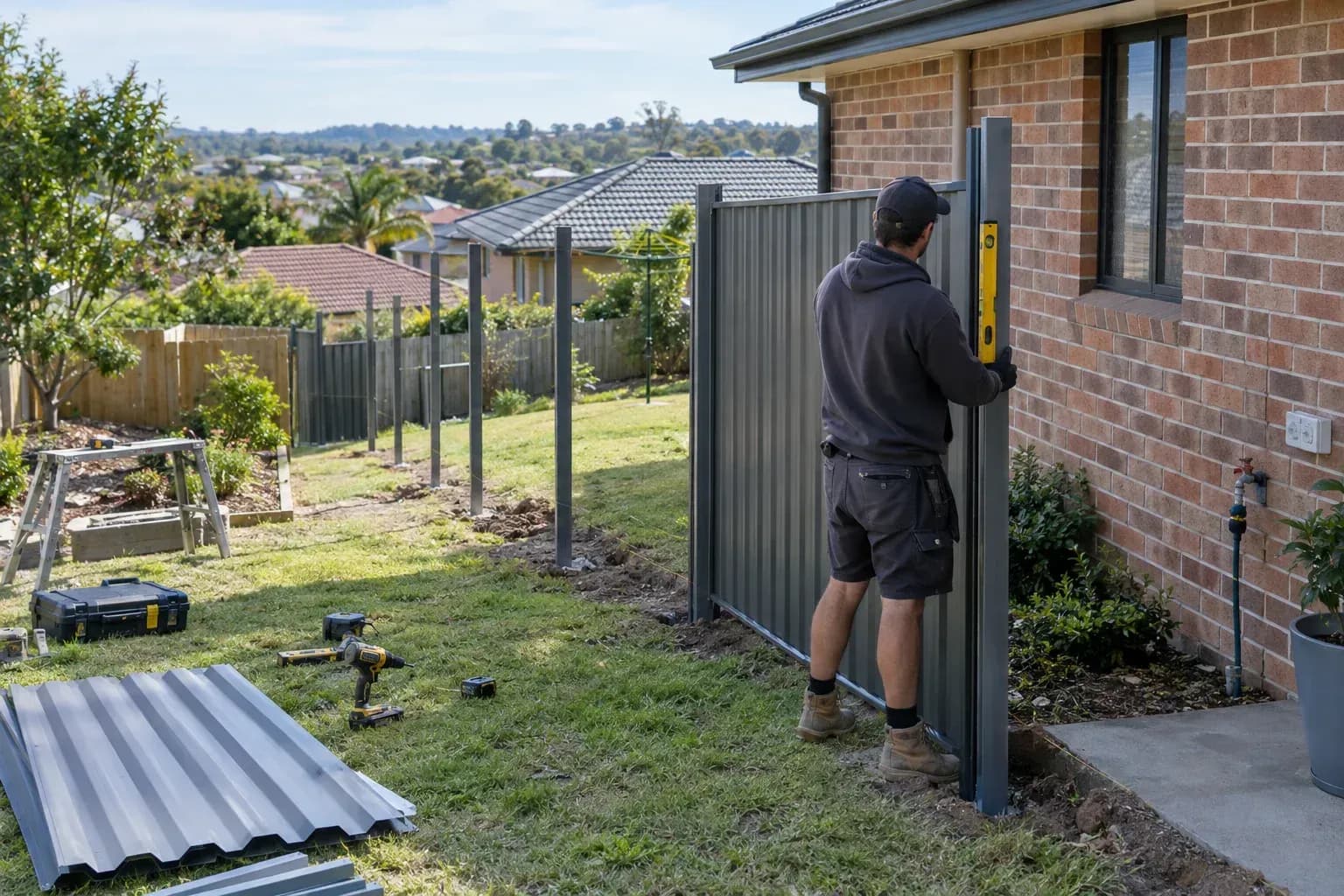
How Much Does Colorbond Fencing Cost in Mooroolbark?
What actually drives the price of a Colorbond fence on Mooroolbark's sloping, rocky blocks, and why a per-metre quote matters.
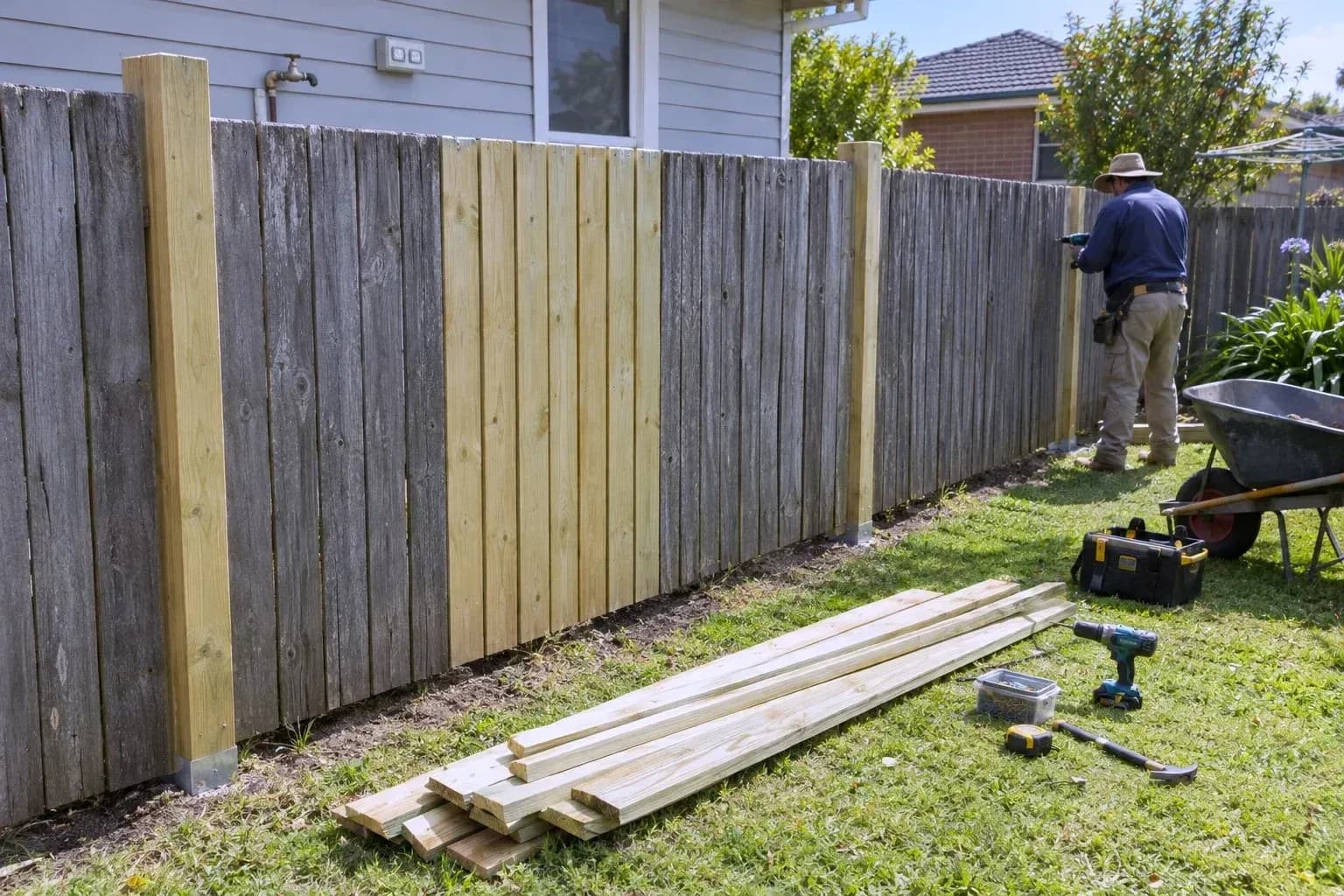
Signs Your Fence Needs Replacing, Not Just Repairing
Leaning posts, rotten palings or a fence that's been patched one too many times? Here's how to tell if it's time for a new one.
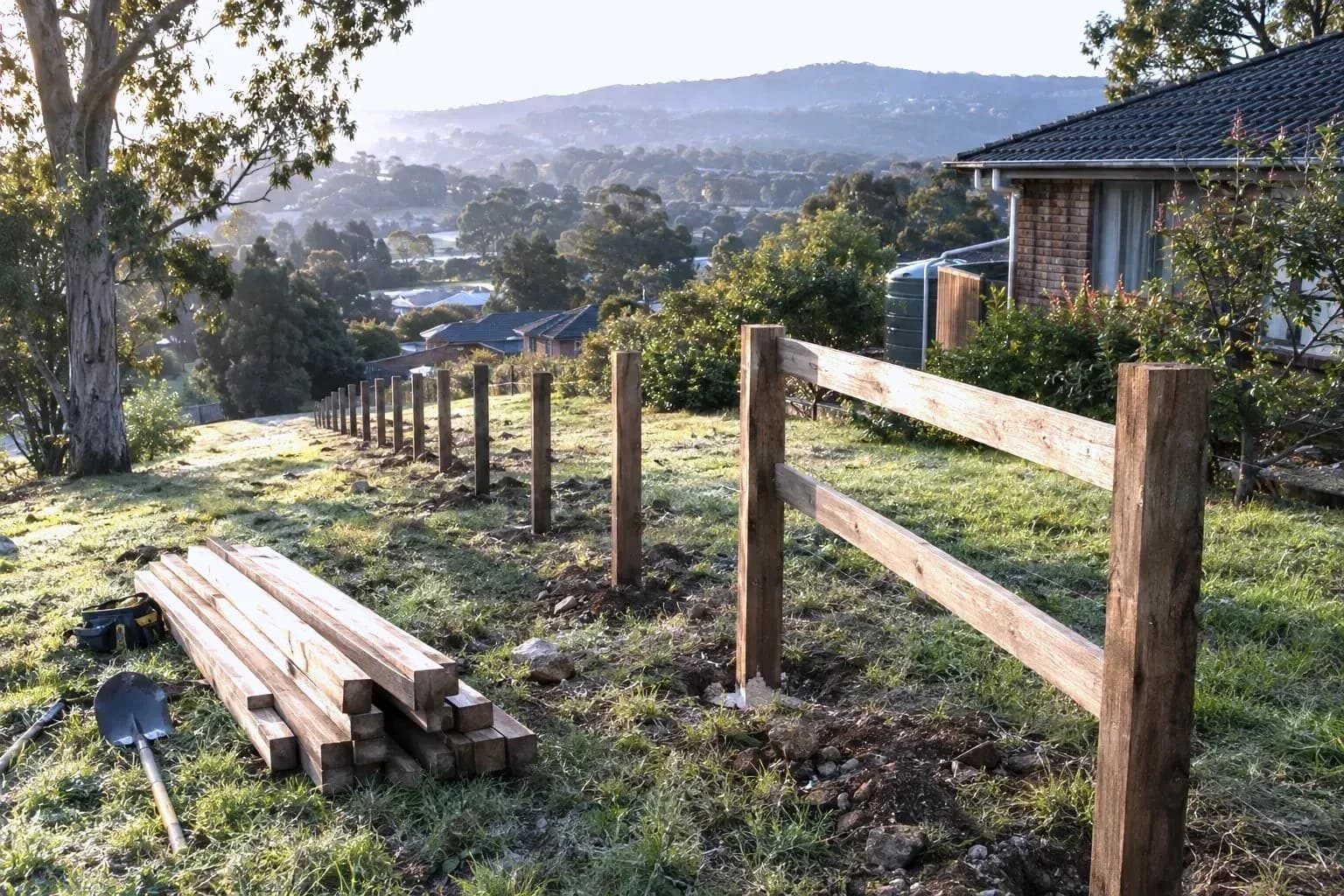
Preparing Your Fence for Winter in Mooroolbark
Cool, wet winters can be tough on fences around Mooroolbark and the Dandenong foothills. Here's what's worth checking before the rain sets in.